Sacramento sits on deep alluvial deposits from the Sacramento and American Rivers. The upper 30 to 50 feet often contain loose sands and soft silty clays that can’t support conventional footings without settlement. Cone resistance in these layers rarely exceeds 5 MPa. Stone column design addresses this directly—transferring load through vibro-replacement columns that densify the surrounding soil and drain excess pore pressure. For industrial warehouses near the Port of Sacramento or logistics centers along I-5, we’ve used stone columns to cut settlement estimates by more than half compared to untreated ground. The approach works well in the local floodplain geology, where groundwater sits just 8 to 12 feet below grade during winter. Our design process starts with in-situ permeability data to confirm drainage behavior, then integrates CPT logs to map the weak zones column by column.
Sacramento’s soft alluvium demands a ground improvement solution that densifies, drains, and reinforces—stone columns do all three in a single installation pass.
Scope of work in Sacramento
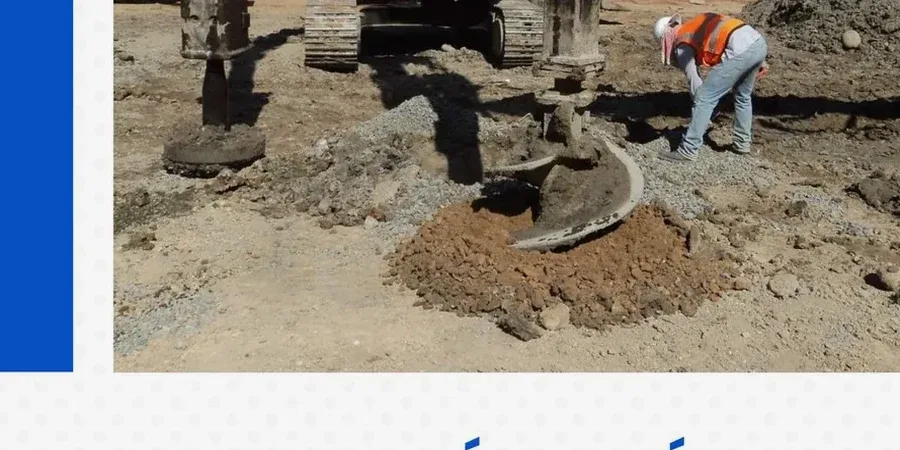
Demonstration video
Risks and considerations in Sacramento
We’ve seen projects in Natomas and Florin where loose sand layers below 25 feet were missed during preliminary borings. That oversight led to column terminations above the critical loose zone—and post-construction settlements of 2 to 3 inches within two years. The most common failure mode in Sacramento isn’t bearing capacity; it’s differential settlement between treated and untreated areas. Another pattern: groundwater mounding during column installation in low-permeability silts can temporarily reduce effective stress and cause rig instability. We mitigate this with pre-drilling or by sequencing columns from the perimeter inward. Liquefaction-induced settlement under the M7.0 scenario on the nearby Foothills Fault System is another design driver. Post-earthquake CPT checks are critical to confirm densification took hold.
Our services
Our Sacramento stone column package moves fast—from CPT profiling to final QA/QC report—because we know construction schedules in the Central Valley don’t wait. Every design is signed by a California-licensed geotechnical engineer and backed by post-installation verification.
Design and QA/QC package
Full stone column design with settlement analysis, liquefaction assessment, and construction QA/QC. Includes pre- and post-installation CPT verification, column layout drawings, and a stamped report meeting City of Sacramento Building Division submittal requirements.
Liquefaction mitigation review
Focused analysis for sites within CGS-mapped liquefaction hazard zones. We model excess pore pressure dissipation through the column network and provide time-to-drainage estimates for the design earthquake scenario.
Quick answers
How much does stone column design cost for a project in Sacramento?
Design fees typically range from US$1,690 to US$4,900 depending on the treated area and number of columns. A small commercial pad under 5,000 sq ft sits at the lower end. A large warehouse with multiple CPT soundings and post-installation verification moves toward the upper end. Every quote includes the stamped report for City of Sacramento permit review.
How do stone columns perform during a Sacramento earthquake?
They work two ways: the vibro-replacement process densifies the surrounding loose sand, raising relative density above the liquefaction threshold. The stone column itself acts as a high-permeability drain, letting excess pore pressure dissipate within seconds rather than minutes. For a design earthquake on the Foothills Fault System, we target a residual settlement under 1 inch.
What soil types in Sacramento are best suited for stone columns?
Loose sands and soft silty clays in the upper 30 to 50 feet respond well. The Sacramento River alluvium, with fines content below 15% in the sand layers, is ideal. Soils with more than 30% fines may need a bottom-feed method or a different ground improvement approach—we assess that with CPT data before committing to the design.
How long does the design and permitting process take?
Design and report preparation takes 10 to 14 business days after we receive site investigation data. City of Sacramento Building Division review adds another 2 to 3 weeks depending on plan check volume. We submit the complete geotechnical package—design report, CPT logs, and QA/QC specifications—in a single submittal to keep things moving.